The Unlikely Marriage of Showtunes and Shelter Dogs
Integrating adoptable rescue dogs into a structured musical environment requires a completely different operational playbook. The Great Homecoming treats the presence of live animals not as a cute gimmick, but as a deliberate theatrical risk. The production asks a fundamental question: can a musical maintain its rhythm, emotional arc, and audience focus while sharing the deck with unpredictable canine performers?
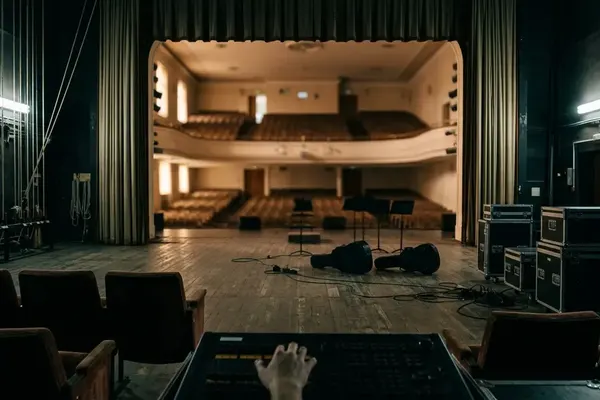
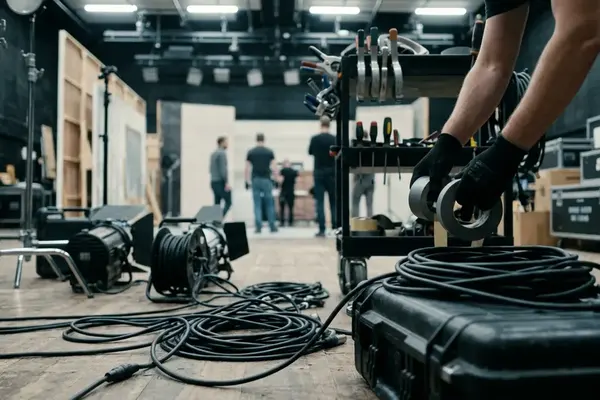
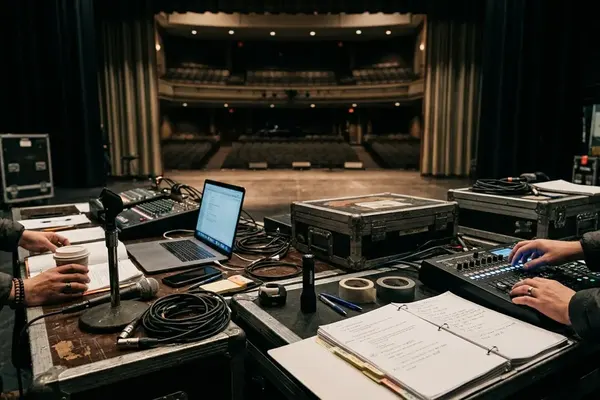
The answer lies in the backstage logistics—handlers and stage managers operate within tight operational windows. A pre-show settling period of roughly 12 to 18 minutes in the venue allows handlers to assess whether a dog is ready to appear before the first major audience interaction. Once the curtain rises, the dogs move through a highly structured environment. They navigate entrances, handler marks, sudden applause breaks, and shifting lighting cues.
Backstage timing accounts for leash handoffs, decompression pauses, and ensuring dogs exit the stage before stress signs overtake the scene. This is a staged adoption event with musical numbers built around real-time animal presence.
Deconstructing the BroadwayWorld Critique
Critical review reveals that evaluating this hybrid production requires looking past the novelty. Coverage from BroadwayWorld separates the critique into three distinct layers: musical execution, physical staging solutions, and narrative structure.
Evaluating the Vocal and Physical Demands
Vocally, the ensemble faces unique challenges. Singers must maintain their blend and crisp diction during patter-heavy comic passages, much like the rapid-fire delivery required in The Book of Mormon. They hold tempo even when a dog crosses late, stops at a handler, or draws an unexpected laugh from the crowd.
Staging requires wider traffic lanes than a conventional black-box musical. Directors utilize low-profile hand signals from handlers and design actor crosses to avoid tightening the leash line across the downstage area.

The book structure carries two jobs at once. It advances the homecoming narrative while giving the audience enough time to emotionally register each dog without stopping the show after every entrance. A defensible detail in the review is the distinction between polished musical craft and deliberately porous staging. Pauses, glances, and animal interruptions become part of the evening's texture rather than errors to hide.
The Unpredictable Magic of a Canine Cast
Spontaneity acts as a performance variable the human cast actively manages. Actors do not simply wait for unscripted moments to pass; they adjust their delivery in real time. An actor might hold a final sung consonant a beat longer while a dog turns back toward a handler. A spoken line gets delivered slightly downstage so the audience can still follow the plot while watching a dog settle into a new position.
Pacing changes happen in seconds and beats. A pause of roughly 4 to 7 seconds follows an unscripted tail wag. A musical cue is delayed just long enough for applause to fade. A handler waits exactly one musical phrase before guiding an exit.
Field Note: Audience response suggests that engagement runs highest when actors treat animal interruptions as gifts rather than obstacles.
Audience engagement ties directly to observable theatre behavior. Laughter arrives before the joke lands. Applause begins the moment a dog completes a successful cross. Spectators lean forward during quiet handling moments. The review captures this authentic charm perfectly. The unpolished moments do not cancel the theatricality; they give the room a shared sense that the performance is happening only once.
Balancing Theatrical Polish with Rescue Realities
A conventional review scale becomes too narrow for a hybrid adoption musical. The goal is to keep theatrical standards intact while adjusting what counts as successful execution. A review that praises the dogs' cuteness but ignores vocal clarity, cueing, handler visibility, or narrative continuity flattens the production into promotion instead of evaluating it as theatre.
Adjusting the Critical Lens
Rescue logistics dictate the flow of the evening. Dogs rotate out of the stage area after a short appearance. Directors avoid sustained applause too close to sensitive animals and provide handlers a clear offstage path that does not cross the main vocal focus.
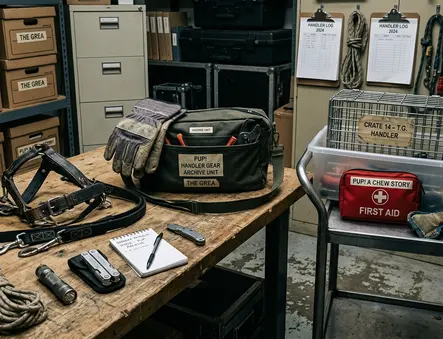
A practical review lens looks at whether the event preserves basic theatre expectations. Intelligible lyrics, visible blocking, controlled transitions, and a story arc that does not collapse into a pet parade remain essential. The adoption component simply changes the meaning of polish. A slightly delayed entrance proves preferable to forcing a nervous dog into a cue. The event's public purpose is trust-building rather than technical perfection. Forcing conventional polish onto every moment can misread a humane pause as a mistake. The better critical question asks whether the pause protects the animal and still serves the story.
Important: This review approach works best for staged advocacy events where animal welfare protocols are built into the production plan, not for ordinary musicals that add a dog as decoration without handler-led structure.
Community Impact and the Future of Advocacy Arts
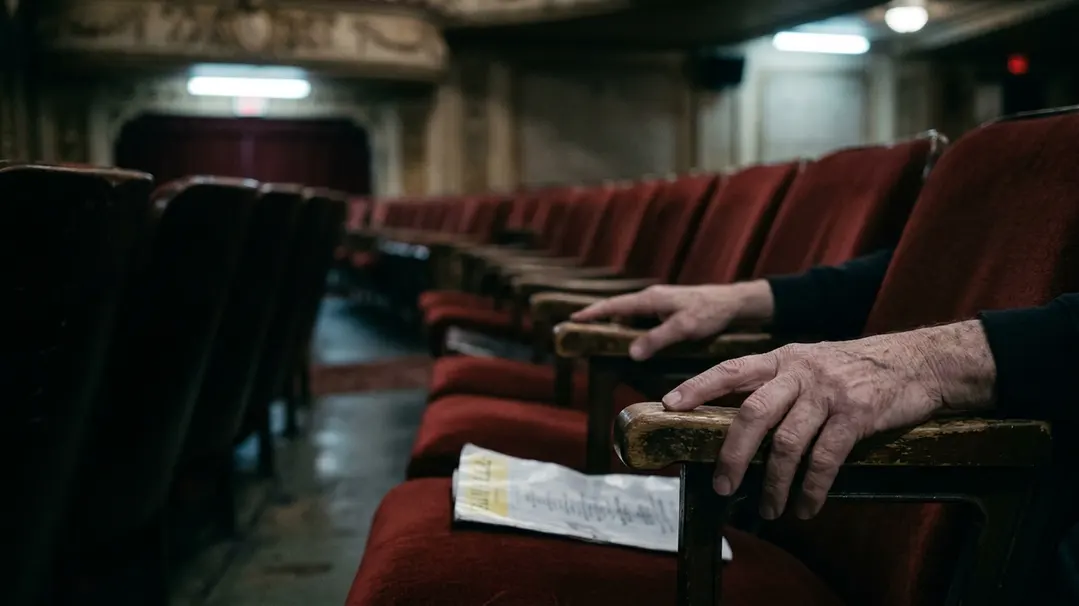
Positive critical reception provides cultural validation. It gives theatre patrons permission to view rescue advocacy as a valid artistic medium. Community impact materializes through concrete touchpoints rather than abstract metrics. Lobby conversations spark after the curtain call. Audience members meet dogs within a controlled post-show window. Arts patrons encounter rescue work without ever entering a shelter first.
For Los Angeles audiences, this model proves especially compatible with small-venue musical theatre. Flexible staging, direct audience address, and community partnerships are already familiar tools in these spaces. Context-dependent variations keep the model adaptable. A quiet matinee with experienced foster dogs allows longer onstage presence, while an evening performance with louder audience response requires shorter appearances, faster exits, and more handler intervention.
The legacy of Pup! A Chew Story and its live iterations ties directly to repeatable practices. Handler-integrated blocking, music that tolerates brief interruptions, and adoption information delivered without stopping the theatrical arc create a proven framework. Critical coverage that treats compassion as part of the production's design ensures this advocacy-arts model will continue to thrive.
Bottom Line: The integration of live rescue animals into structured musical theatre requires rigorous backstage logistics, but the resulting authentic audience connection redefines successful stagecraft.