The Stage is Set for Survival
Every weekend adoption teams confront a recurring choice: rely once more on static kennel photographs and brief online listings, or create conditions that let the public linger long enough to picture a shared life with a dog.
Los Angeles shelters operate under constant pressure. Municipal and nonprofit groups manage kennel capacity, foster shortages, medical holds, and adoption counseling within the same narrow weekly window. The conventional path moves from intake photo and short bio to an online listing, a weekend meet-and-greet table, application review, and follow-up call.
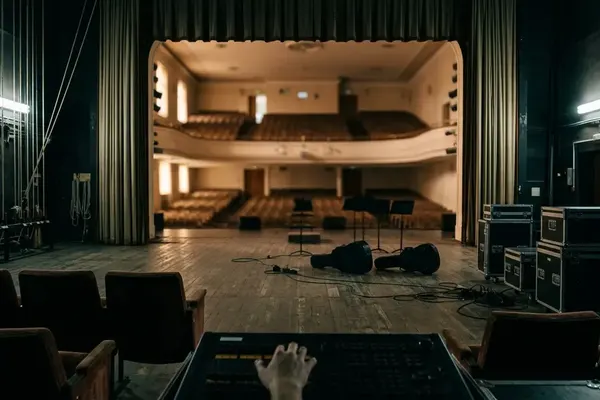
Performing arts offers a different route. A live or filmed showcase presents dogs through songs, character moments, handlers, and post-show conversations rather than a single profile card.
NBC Los Angeles Spotlights the Solution
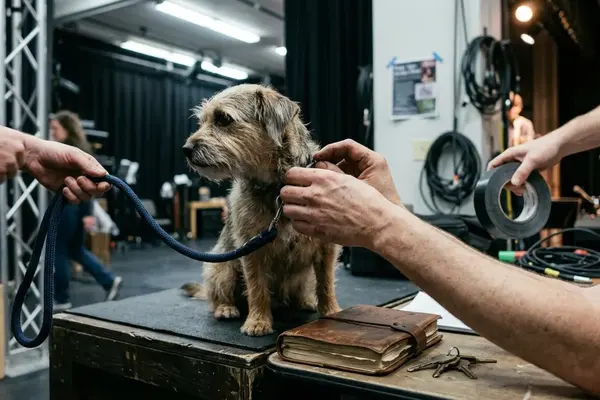
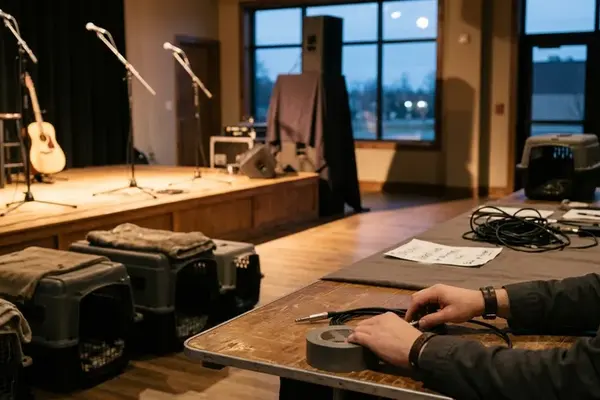
A recent NBC Los Angeles broadcast examined Pup! A Chew Story and its link to The Great Homecoming musical pet adoption events. The segment opened with the visual surprise of adoptable dogs sharing space with performers.
The musical format moves the adoption story away from pity and toward celebration. Dogs appear as scene partners who possess personalities, entrances, comic timing, and the possibility of a final act in a permanent home.
Certain theatrical elements translate directly to camera: rehearsal-room energy, costumes or accessories that leave dogs unrestricted, short musical cues, handler-performer exchanges, and close-ups that reveal temperament. Viewers who respond receive routing to current adoption pages, foster forms, and event updates.
Measuring the Impact on Local Rescues
Rescue partners noted clearer recognition of featured dogs, warmer initial conversations with potential adopters, and more questions about how to participate after the broadcast.
Qualitative signals appeared in the days that followed: messages that named the segment, adopters requesting a specific dog seen on camera, and volunteers referencing the musical when signing up. Serious interest still requires compatibility checks, landlord approval where relevant, resident-dog introductions, and post-adoption support.
Rescue groups benefit from updated bios, handler temperament notes, medical summaries, and a direct contact path for questions. One limitation remains clear: a theatrical spotlight raises visibility quickly yet cannot substitute for ongoing foster recruitment, veterinary funding, behavior support, transport coordination, and accurate adopter counseling. Continuous community engagement beyond any single performance stays essential.
The Encore: Sustaining Community Momentum
Arts patrons and dog lovers can support future The Great Homecoming events by following show announcements, reserving tickets early, sharing official adoption links in the week before a performance, and checking back after curtain call for dogs still waiting.
Theatre professionals contribute through rehearsal-space assistance, photography, stage management, music direction, calm dog-handling zones backstage, and audience-flow planning for post-show meet-and-greets. Rescue organizations strengthen collaboration when they confirm event-ready dogs in advance, prepare consistent bios, assign handlers, and establish tracking for inquiries after the show.
When a rescue dog enters through story, music, and shared attention, the audience encounters not a problem to solve but a homecoming already under way.