Can a Musical Comedy Save a Dog's Life?
The inherent unpredictability of mixing live rescue animals with live theatrical performance creates immediate operational friction. Theater staff require a guaranteed house-opening and seating rhythm to maintain production schedules. Rescue volunteers demand the flexibility to manage animal welfare, which can change minute to minute. The Great Homecoming, staged during a single July 2022 weekend, challenged conventional animal rescue strategies by forcing these two distinct workflows to collide.
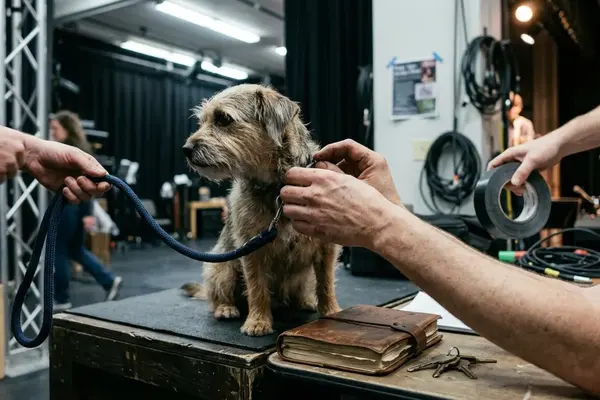
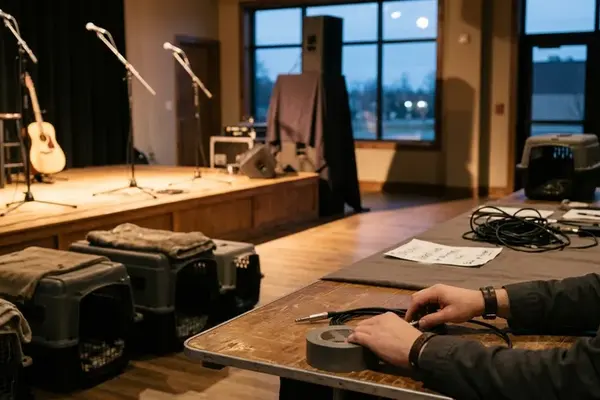
This hybrid event model paired a live concert-style musical presentation with an in-person pet adoption component. It required visible but controlled dog access. Organizers ensured the animals functioned as honored guests in the venue rather than props inside the performance itself.
Setting the Stage at The Montalbán Theater
The Montalbán Theater offered an established Los Angeles identity for arts patrons. Its lobby and circulation areas gave organizers the necessary footprint to manage complex crowd flow. The July 9-10 weekend timeline demanded precise spatial planning from all production teams.
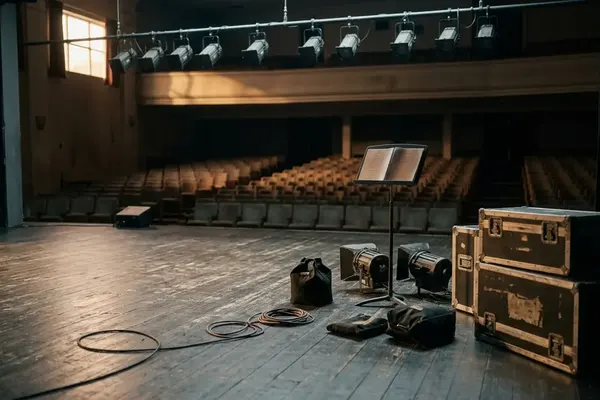
A fixed-seat Hollywood theater creates different animal-flow problems than a park or a shelter parking lot. The setting produced a sharp visual contrast. Formal theater architecture and fixed audience seating stood opposite the informal presence of leashed rescue dogs and their handlers.

The most adoption-friendly zones naturally became the public-facing transitional areas. The lobby, entry flow, and gathering points captured attention before patrons committed to their seats. This spatial arrangement allowed audiences to interact with the animals on their own terms before the house lights dimmed.
Reviewing the Concert-Style Reading of 'Pup! A Chew Story'
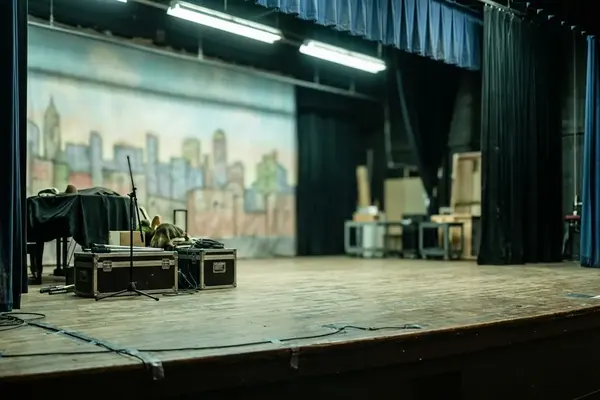
The concert-style reading format kept the production legible without demanding a full scenic build. This mattered deeply. The event's attention had to be shared with the adoption drive happening just outside the auditorium doors. Unlike the spectacle-heavy staging required for a long-running production like Book of Mormon, this stripped-down presentation put the emphasis entirely on score, lyrics, character voice, and spoken transitions.
The central story follows a three-legged Pit Bull and a chew toy. This narrative choice gave the musical a rescue-centered emotional vocabulary without making the adoption drive feel like a disconnected add-on. The script's themes of loneliness, friendship, and transformation paralleled the real-time adoption conversations happening in the same venue environment.
Critical review reveals that the success of this format depends heavily on vocal clarity and emotional pacing. By removing elaborate set pieces, the audience focuses directly on the vulnerability of the characters, mirroring the vulnerability of the rescue animals waiting in the lobby.
The Implementation: Merging Rescue Operations with Arts Patronage
The implementation relied on a strict handoff system. Producers created the audience draw and the emotional frame. Rescue partners, specifically the HIT Living Foundation during this July 2022 collaboration, handled the credibility and animal care logistics.
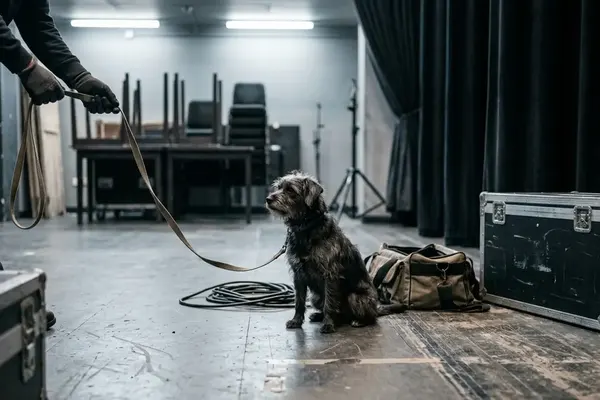
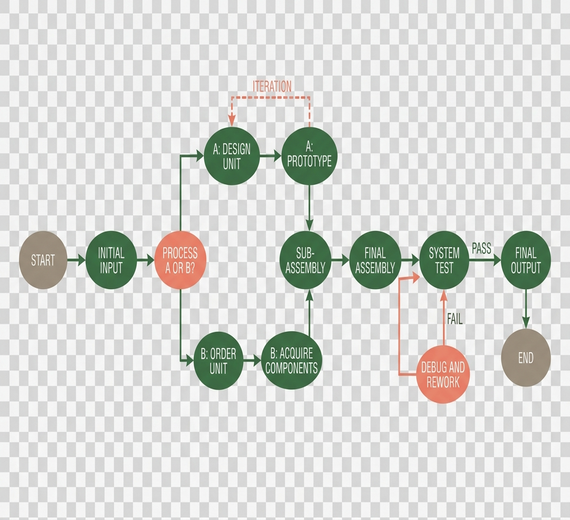
The adoption drive had to fit seamlessly inside the theater's normal patron flow—arrival, lobby dwell time, seating, performance, and exit all required mapping. Rescue staff and volunteers managed leashes, handler proximity, dog rest intervals, and visitor questions without blocking theater circulation.
Compared with a traditional shelter visit, this model shifted the first emotional contact from kennel viewing to a story-led, arts-centered setting. In practice, this approach provides a strong environment for initial introductions.
Field Note: Managing animal rest intervals requires dedicated quiet zones completely separated from the main patron traffic flow.
Event Limitations and Accessibility
The public event window was limited to July 9-10, 2022. This left only one weekend for in-person discovery, initial conversations, and follow-up routing. Tickets were listed in the $27–$40 range. This positioned the event as an affordable theater outing for some patrons, but it was not a no-cost adoption fair.
The price point acted as a filter. It created a committed audience rather than casual foot traffic. Managing sensory overload for rescue animals in a live concert setting presented a significant challenge. Amplified music, applause, clustered lobby traffic, unfamiliar smells, and repeated greetings from strangers all act as potential stressors.
Important: The inherent constraints of a brief, two-day operational window mean organizers must prioritize lead capture over finalized adoption paperwork.
The Future of Theatrical Pet Adoptions
The 2022 event connected Los Angeles theater patrons, dog lovers, and rescue advocates through a single weekend program. It bypassed separate fundraising and adoption channels. Its archive value comes from documenting a proven model where a musical property and a live adoption effort supported each other.
Audience response suggests that narrative empathy serves as a powerful catalyst for real-world animal rescue outcomes. We can credibly assess success through audience engagement, partner visibility, and the quality of adoption conversations. While this format is better suited to starting serious adoption conversations than completing every placement on-site during a two-day theatrical run, it secures a highly engaged demographic.
Bottom Line: Theatrical pet adoptions succeed when the narrative on stage directly supports the operational goals in the lobby.