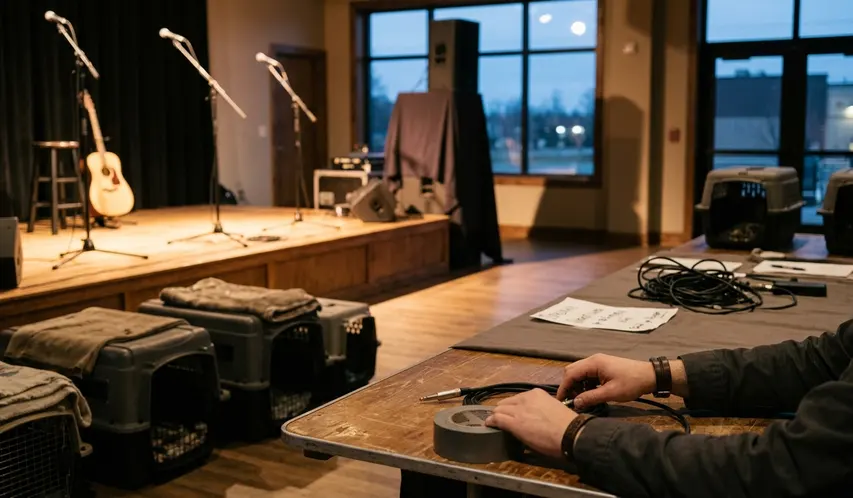
The Traditional Shelter Experience vs. The Theatrical Approach
The sensory overload of a standard kennel walk-through hits visitors immediately. Barking echoes off hard surfaces. The sharp odor of disinfectant hangs in the air. Strangers stop every few feet, peering through chainlink enclosures. This environment forces rushed decisions under immense stress for both the animals and the public.
Merging performing arts with animal rescue offers a proven alternative.
The musical format separates arrival, observation, and interaction into distinct phases. Dogs bypass the continuous public kennel line entirely. They make scheduled appearances with handler oversight and take regular rest breaks offstage. This structure replaces chaos with intentional, calm engagement.
Defining the Experience: Our Criteria for a Musical Adoption Event
An adoption program requires strict welfare criteria before adding theatrical wrapping. The creative team builds scenes around the dogs, not the other way around.
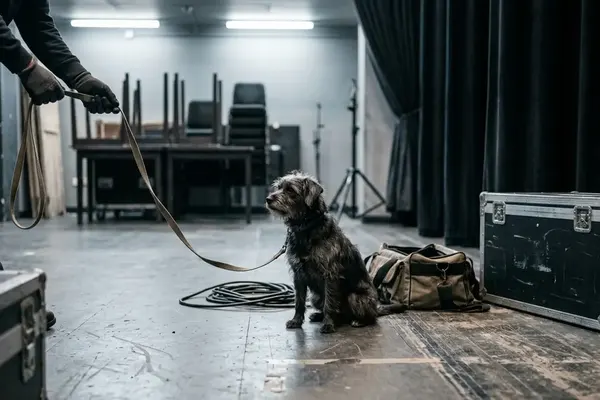
Baseline requirements dictate that each participating dog must complete at least one calm off-site handling session. They must tolerate basic lobby-level foot traffic and show recovery after a startling sound within a short handler-led reset. Pre-event screening occurs one to two weeks before the performance. A final handler check happens the morning of the event before any public appearance.
Important: This format is not appropriate for dogs who are medically fragile, newly impounded, highly noise-sensitive, guarding resources, or still decompressing from transport.
Room criteria demand non-slip walking paths and a handler-only exit route. Water access must sit away from lobby congestion. A quiet holding area cannot be shared with vendor load-in.
1. Live Theatrical Performances
Early staging attempts placed performers in the aisles during rescue introductions. This approach failed. A dog who greets calmly in a shelter office will still struggle in a black-box theatre lobby if applause, rolling carts, and clustered strangers happen within the same few minutes.
The production team shifted to a rescue-friendly cabaret model.
Musical numbers run in short blocks of a few minutes. Dog appearances happen between or at the edges of songs rather than during full-volume ensemble peaks. Dog-facing stage moments undergo blocking during a technical rehearsal without dogs first. The cast repeats these movements with handlers present before the house opens.
The host manages the room's energy by cueing 'jazz hands' or softer clapping after sensitive segments when a dog stands onstage or near the front row. The pacing mirrors the tight, engaging rhythm found in productions like the Book of Mormon, keeping the audience captivated while respecting the animals' limits.
2. Structured Canine Cast Interactions

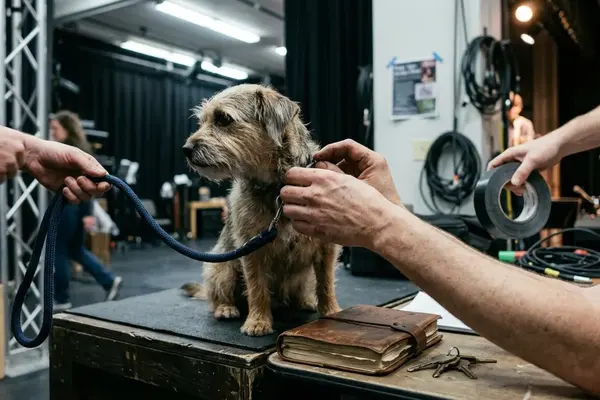
The meet-and-greet functions as a guided scene partner exercise—the adopter receives a specific role while the handler controls the pacing. The dog retains the choice to opt in or walk away.
Interaction stations feature seating placed at a slight angle rather than face-to-face. This gives the dog a side approach and an easy path back to the handler. A practical rotation lasts roughly six to ten minutes per first meeting. This window provides enough time to observe recovery, treat interest, and touch tolerance. Handlers watch closely to see whether the dog can disengage without pressure.
Quiet zones require a twelve to twenty-foot buffer from merchandise tables and lobby photos. This physical separation prevents a dog from being surrounded by a second audience, effectively reducing shelter stress through structured interaction.
3. On-Site Adoption Counseling and Vetting
The adoption desk must remain physically and emotionally separate from the applause moment. Operational flow dictates that the adoption desk should never sit beside the performance entrance. Applause surges and late arrivals easily interrupt the slower vetting conversation.
Counselors let attendees enjoy the show before moving serious applicants into a detailed discussion about household dynamics.
Our experience points to an optimal flow: collect an interest card at check-in, gather handler notes during the interaction, conduct the counselor conversation, and review the application before discussing any same-day approval. Counseling conversations require fifteen to twenty-five minutes for a serious applicant. This time expands when resident dogs, children, shared housing, or landlord documentation enter the picture.
- Government-issued ID
- Proof of address
- Current pet vaccination records
- Written property-manager pet approval
Field Note: A matinee with seated theatre patrons supports longer counseling conversations. An evening performance with heavy vendor traffic requires stricter appointment slots and fewer canine appearances.
4. Post-Show Fostering Opportunities
Fostering represents a vital contribution. It serves as the bridge between an exciting public event and a permanent home.
Post-show foster sign-ups happen in a separate twenty to thirty-minute window after the final adoption counseling rush. This scheduling ensures volunteers do not compete with adopters for staff attention. Short-term decompression fosters work best when framed in concrete blocks. Coordinators ask for commitments of one weekend, five to seven days, or ten to fourteen days, depending on rescue capacity.
The foster cast intake form asks specific logistical questions. Coordinators need to know about stairs, elevators, crate availability, work-from-home schedules, resident pets, children, and transport availability for follow-up appointments.
5. Community Arts and Rescue Integration

Community integration acts as part archive and part neighborhood gathering. A balanced lobby layout groups archive displays, rescue information, and merchandise into separate zones. Adoption counselors can then work without shouting over point-of-sale traffic.
The archive material includes rehearsal photos, lyric sheets, prop sketches, and canine cast bios. Short production notes explain how rescue stories shaped the musical structure. Local vendor participation remains limited to items that fit the event tone. Tables feature pet tags, illustrated prints, small-batch treats, theatre-themed keepsakes, and rescue-support merchandise.
Theatre patrons become rescue supporters, and animal advocates discover the creative world behind the production.
Preparing for Your Visit: Final Tips
Proper visitor staging guarantees a smooth experience. Arrive thirty to forty-five minutes before the first performance block if you plan to ask adoption questions. Allow an additional forty-five to ninety minutes after the show for counseling or a guided meet.
Bring photo ID, phone access for references, and current pet vaccination records if you have animals at home. Bring a leash or carrier only if the rescue specifically requested it.
Behavioral guidance shapes the environment. Avoid crowding the dog. Let the handler hand you treats if appropriate. Keep voices low in quiet zones. Do not introduce personal pets on-site unless the rescue scheduled that step. While multi-year partnerships with local arts councils inform our crowd management protocols, live animal behavior remains inherently unpredictable despite rigorous screening.
Bottom Line: Combining art with empathy transforms the adoption process from a stressful transaction into a celebrated community milestone.