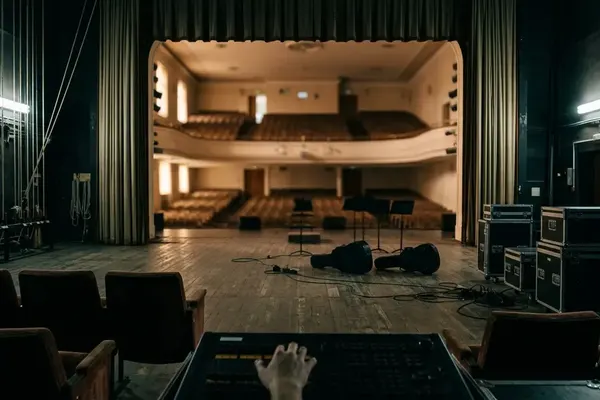
Transitioning from the Spotlight to the Sanctuary
The lobby is not the living room
How do you transform the high-energy magic of an adoption event into a lifetime of quiet trust?
The applause is over. The photos are taken. A volunteer has handed over the leash, the lobby chatter has faded behind the glass doors, and the dog who looked brave under the lights is now standing in a living room with unfamiliar floors, unfamiliar smells, and a new human watching for signs of happiness.
That is a sharp change in tempo. Adoption events feel theatrical because they are built around momentum: introductions, smiles, paperwork, cheerful voices, quick decisions. Home is different. Home asks the dog to rest, eat, eliminate, sleep, listen, and decide whether the people in the room are safe.
The first thirty days should not be treated as opening night. They are closer to quiet rehearsal: observation, small adjustments, and enough patience to let the animal reveal what pressure has been hiding.

Bottom Line: On the first evening, keep the scene small. Offer water, take one calm potty trip, show the resting area, and skip the full house tour. Stillness, cautious sniffing, heavy sleep, or refusal to engage during the first day or two should read as adjustment, not rejection.
I prefer a welcome-home audience of one primary caregiver and, if needed, one unusually calm household member. A crowd may feel loving to the humans, but to the dog it can look like a chorus rushing the stage before the lead has found the mark.
Understanding the Decompression Timeline
The 3-3-3 framework is a map, not a promise
The widely recognized 3-3-3 framework gives adopters a useful structure: roughly three days for the first shock of transition, three weeks for household routines to become more legible, and three months for a steadier picture of personality and attachment to emerge. It is not a contract. A confident adult dog from a foster home may begin eating and sleeping normally within the first few nights; a dog from a noisy kennel block, long transport, recent surgery, or prolonged neglect may need a much smaller world for the same thirty-day period.
During the first three days, reduce novelty. Feed in the same place at the same times. Use short leash walks or yard breaks rather than exploratory outings. Keep handling light, and let sleep do some of the work.
From days 4 to 21, start reading patterns instead of chasing breakthroughs. Which resting spot does the dog choose twice? Which sounds tighten the body? Does appetite rise at breakfast or dinner? Does the dog solicit touch, dodge it, or accept it only when the room is quiet?
From days 22 to 30, add one new demand at a time: a short car ride, a calm visitor, or a five-minute training session. Then watch the following day. A dog who seems cheerful during the event but startles harder, eats poorly, or cannot settle afterward may be showing stress rebound.
The physiological reality of shelter stress matters here. Stress hormones associated with confinement, transport, noise, and social disruption do not clear on an adopter's emotional schedule. Sleep quality, appetite, startle response, and recovery after walks are better daily indicators than the calendar alone.
Important: The 3-3-3 timeline is a baseline for ordinary adjustment, not a recovery schedule for dogs with severe fear, bite history, untreated pain, recent surgery, or prolonged neglect.
Setting the Stage: Preparing the Physical Environment
Clear the set before the lead performer enters
A home should be designed like a backstage set before the dog arrives: remove hazards first, then decide where the dog can succeed with the least decision pressure. This is not decorative fussing. It is production safety scaled down to a hallway, a kitchen, and the corner where the water bowl goes.
Create one primary sanctuary space before pickup. A crate with the door secured open can work, as can a bed inside a gated area. Put water within a few steps. If the flooring is slick, place a washable mat underneath. The goal is not confinement as punishment; the goal is a retreat where no one follows, reaches, or performs affection at the dog.

Resource placement changes behavior
Food and water should not sit in narrow doorways, hallway corners, or beside resident pet feeding stations. Those locations create pressure. A dog who has just left a shelter may not yet believe that resources will remain available, and a tight space can make guarding more likely.
For the first week or so, block access to stairs, balconies, open laundry rooms, trash bins, children's toys, electrical cords, houseplants, and medication bags. The point is not to assume the worst of the dog. It is to admit that chewing, climbing, scavenging, and fear responses are still unknown.
- Use baby gates or closed doors to create a two-room maximum starting footprint.
- Expand access room by room only after several calm repetitions.
- Keep the resting area away from constant foot traffic but close enough that the dog is not isolated from household rhythm.
- Place bedding where the dog can see an exit route rather than feel trapped against a wall of approaching bodies.
Field Note: A rescue dog's first month is not a Book of Mormon cue track where every entrance lands on the same beat. The environment should carry some of the discipline, so the dog does not have to make every good choice alone.
Introducing the Cast: Family Members and Resident Pets
Move from least invasive to most intimate
Introductions should follow a sequence: scent first, movement second, visual contact third, brief shared space last. This order gives caregivers several chances to pause while the stakes are still low.
Before face-to-face contact, exchange bedding or soft cloths for a day or so. Each animal can investigate scent without being stared at, cornered, or corrected for curiosity. That quiet information often does more useful work than a dramatic first meeting.
- Start dog-to-dog introductions with a parallel walk on neutral ground.
- Keep both dogs moving in the same direction with enough distance that leashes remain loose.
- Shorten the distance only after both dogs can sniff the ground, turn away, and reorient to their handlers without repeated leash tension.
- Keep the first indoor shared session brief, usually five to ten minutes.
- Remove toys, bones, food bowls, and high-value chews before the dogs share space.
- Let leashes drag or keep barriers available, so separation can happen without grabbing collars.
The rougher alternative is familiar: two dogs brought nose-to-nose in the front doorway while people cheer, bowls are down, toys are scattered, and both animals are forced to make social decisions under pressure. If tension appears there, it may be a preventable overload response rather than a fixed verdict on compatibility.
Children need choreography too
Children often want the new dog to confirm the family story immediately: hug, photo, kiss, best friend. The safer script is the consent test. Invite the dog for three seconds of gentle petting on the chest or shoulder, then stop. Continue only if the dog leans in, stays loose, or clearly re-engages.
If the dog turns away, freezes, licks lips, ducks the head, or moves toward the safe zone, the answer is no for now. Respecting that answer teaches the dog that retreat works. That single lesson can prevent a great deal of defensive behavior.
Directing the Action: Establishing Routine and Trust
Training begins as shared language
Early training is not obedience work in the formal sense. It is the establishment of a shared language: when meals happen, where rest is protected, what sounds matter, which doors open, and how humans respond when the dog makes a careful choice.
For the first thirty days, a simple rhythm is usually stronger than a busy curriculum. Morning potty trip. Breakfast in a predictable location. Quiet rest block. Two or three short outdoor breaks. Dinner. One final low-stimulation potty trip before bed.
Keep training sessions to a few minutes and end while the dog is still successful. That last detail matters. Many people train until attention collapses, then remember the collapse as stubbornness. A cleaner comparison is theatrical: stop while the scene still has shape.
- Reward a relaxed sit that appears without a command.
- Mark the moment the dog lies on the bed instead of pacing.
- Reinforce a glance back at the caregiver after a hallway noise.
- Reward walking away from the front window rather than rehearsing alarm.
Delay dog parks, patio dining, crowded arts-district walks, busy house parties, and social outings until the dog has shown several consecutive days of normal eating, sleeping, and recovery after ordinary neighborhood walks. Novelty is not enrichment when the dog cannot recover from it.
Consistency across caregivers removes unnecessary conflict. If one person allows couch access and another blocks it, the dog receives contradiction instead of guidance. Choose the rule, use the same cue words, and let predictability do its quiet work.
Supporting Special Stars: Accommodating Tri-Pawed Dogs
Adjust the stage under the dog
A tri-pawed dog does not need pity built into the room. The practical concern is joint preservation: traction, reduced jumping, softened landing zones, and careful attention to fatigue.
Lay non-slip runners along the main routes: bed to water, bed to door, door to feeding area, and any hallway turn where the dog may pivot quickly. Slick floors ask the remaining limbs to compensate. Over a day, that compensation becomes real work.
Use ramps or low platforms for cars, sofas, and beds rather than allowing repeated jumping during the first month. Choose orthopedic bedding thick enough that elbows, shoulders, hips, and the remaining limbs are not pressed directly into hard flooring during long rest periods.
Fatigue can appear after the applause
Tri-pawed dogs often show effort after the activity, not during it. Watch for slower rising, shortened stride, toe scuffing, refusal at stairs, abrupt flopping down, or increased irritability when handled. These signs are not moodiness. They may be the body asking for a shorter call time.
Plan shorter, more frequent walks during the settling period instead of one long walk that hides fatigue until the dog is already back indoors. Confidence grows faster when movement feels secure and recovery is protected.
Field Note: The most compassionate adaptation is often invisible: a runner in the right hallway, a ramp before the jump becomes habit, a bed that lets the dog stand without bracing against pain.
The Final Curtain Call
Let the dog own the last cue
The first thirty days are not a test of whether an adopter can produce a perfectly behaved companion. They are the foundation for a relationship in which the dog learns that food arrives, rest is honored, exits are available, and people listen before they insist.
By day 30, the most useful review is not an obedience scorecard. Keep a pattern log instead: appetite, sleep location, bathroom timing, startle triggers, recovery time, preferred rewards, and safe handling zones.
If concerning behavior is escalating rather than softening across repeated days, contact the rescue, veterinarian, or qualified positive-reinforcement trainer before the household rehearses the problem into a daily routine.
A successful first month may look quiet from the outside: fewer surprises, looser leash moments, longer naps, calmer greetings, and a dog who chooses to re-enter the room after retreating.
Are you prepared to step back and let your new dog set the pace of their own homecoming?