Rethinking the Rescue Environment
Why do traditional animal adoption events often feel stressful rather than joyful? The question points straight to the core mismatch between how shelters operate under pressure and how people actually decide to bring an animal home.
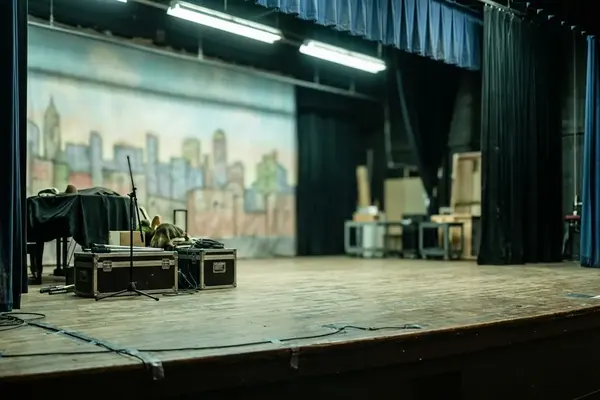
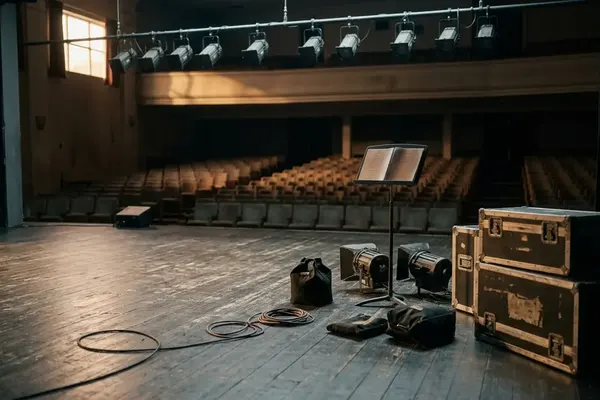
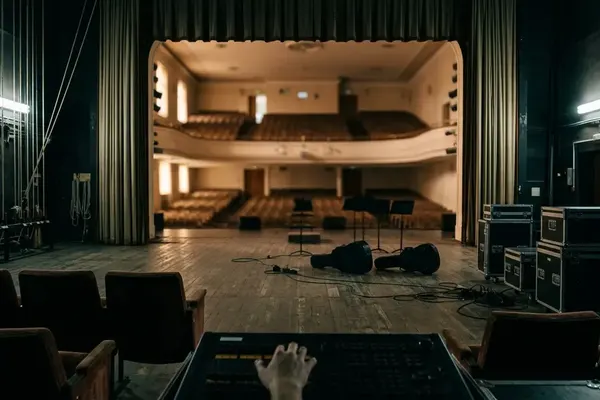
Overcrowded facilities create an immediate sense of urgency that can overwhelm visitors before any real connection forms. The Great Homecoming reframes that first encounter by swapping the somber shelter atmosphere for the uplifting energy of live theatre.
Staging the Solution: The Mechanics of the Event
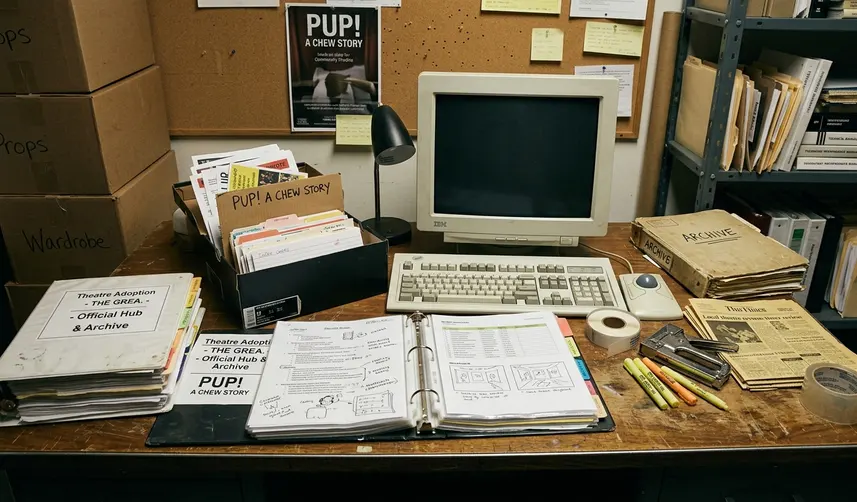
The event team built the adoption drive around the emotional arc of Pup! A Chew Story instead of treating the musical as decoration. Narrative storytelling builds empathy, making the audience more receptive to adopting a pet once the final number ends.
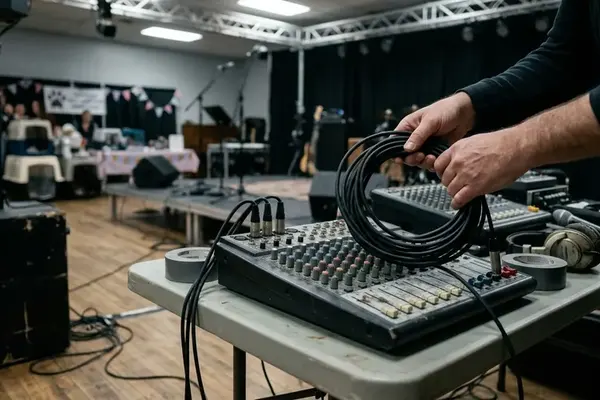
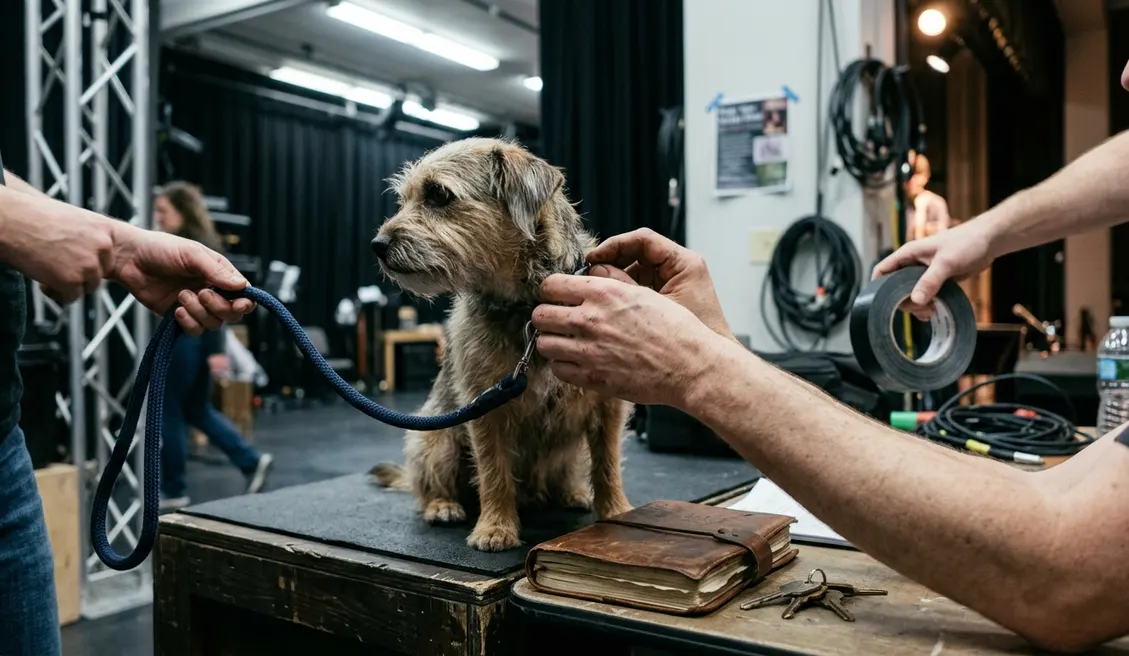
A practical run-of-show uses three distinct zones: performance seating, adoption counseling tables, and a quieter dog decompression area staffed by handlers.
Direct Impact on Los Angeles Animal Shelters
Los Angeles Animal Shelters serve as the primary beneficiary of the event's adoption and fundraising efforts. Community-based adoption events deliver both academic and practical benefits by reducing local shelter populations through sustained visibility.
The theatrical format draws demographics that might not typically visit a city pound, including theatre subscribers and arts patrons who encounter the rescue message in a setting they already value.
Balancing Theatricality with Animal Welfare
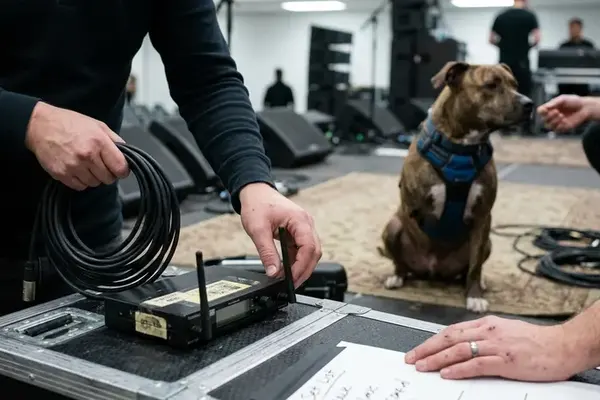
Animal welfare planning functions as a production department rather than an afterthought. Strict protocols govern noise levels, crowd sizes, and canine stress during musical numbers. Dogs should not be stationed beside speakers or applause-heavy exits, and handlers require a quiet holding area with direct outdoor access.
One catch remains: this model depends on a venue with enough separation between performance energy and animal-care space. A single small room with loud amplification can turn a joyful concept into a stressful one. The event should not be described as a replacement for daily shelter operations; it operates as a high-visibility supplement that works best alongside ongoing intake and foster coordination.
Taking Center Stage: How to Support the Mission
Donation appeals occur at three moments: in pre-event materials, during a brief curtain speech, and in the post-event follow-up sent within a day or three. Local businesses can underwrite venue costs, printing, or animal-care supplies.
Arts patrons and potential sponsors contact [email protected] for official sponsorship inquiries and future production support. Contributions underwrite a public-facing adoption environment that keeps the mission legible rather than reducing sponsors to logo placement.