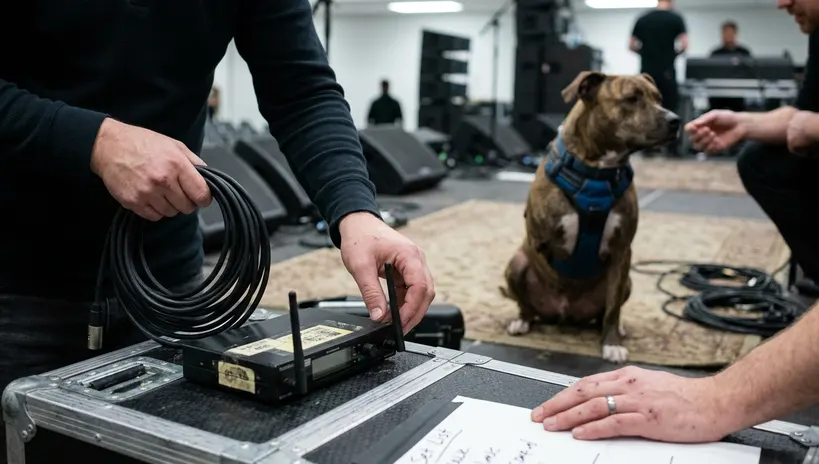
Facing the Double Stigma: Breed and Biology
If audiences can fall in love with a scarred hero on stage, why do adopters still expect a dog to arrive perfectly symmetrical? I evaluate shelter populations daily. The visual contrast on the kennel floor is stark. A broad-headed, three-legged dog waits calmly behind a kennel card. They stand for greetings. They shift their weight smoothly. They take treats gently and settle quickly after visitor noise drops.
Yet, they are routinely passed over during two or three weekend adoption walk-throughs.
Smaller or visibly uninjured dogs receive the first questions. Adopters linger at the kennel door, asking whether the missing limb guarantees lifelong pain. This double stigma combines societal bias against Pit Bull-type dogs with deep hesitation about adopting an amputee. The reality of their resilience tells a completely different story.
Criteria for Evaluating Tri-Pawed Adaptability
Critical review reveals that adaptability depends on a structured evaluation sequence. Medical clearance comes first. Movement assessment follows. Temperament and handling come third. Home fit is evaluated last. This specific order prevents emotional decision-making from overriding physical realities.
A practical adaptability review includes a 10- to 15-minute leash walk on level pavement. We observe a short turn-around in a narrow hallway and a transition across one slick surface with traction support available. Behavior checks measure responses to collar handling and paw handling on the remaining feet. We test food-bowl proximity. We monitor recovery time after a sudden lobby noise.
Ongoing partnership since 2019 with local orthopedic specialists confirms that adoption discussions must wait until incision healing, pain control, and a basic mobility baseline are documented at follow-up. This typically occurs in the 10- to 21-day post-operative window depending on the case. Home-fit questions must cover stair count, flooring type, elevator access, daily walk length, other pets, and whether the adopter can maintain a lean body condition.
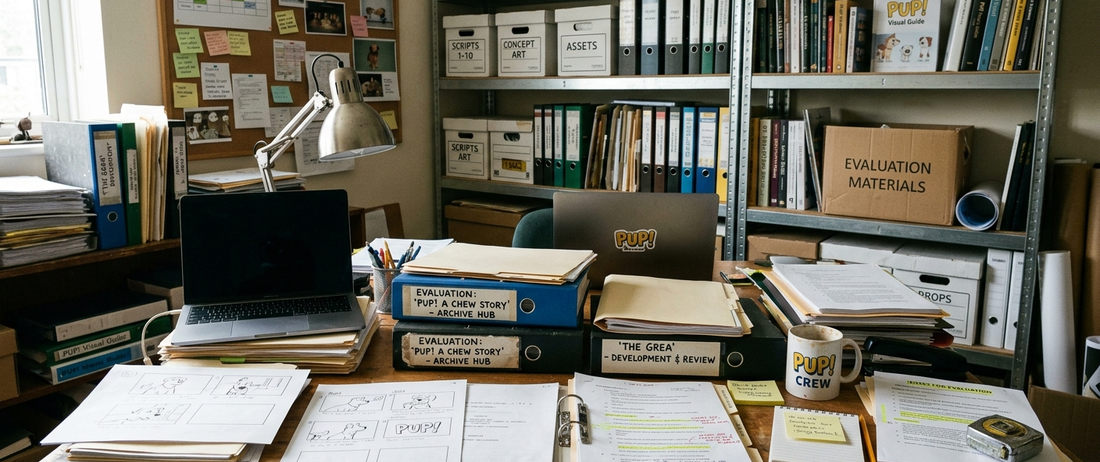
1. Unmatched Biomechanical Adaptability
Understanding body mechanics precedes any inspirational narrative. The dog is not succeeding through magic. The remaining limbs, trunk muscles, and balance systems do measurable work. Front-limb amputees usually need more attention to landing control and shoulder comfort. Rear-limb amputees often show faster visible adaptation because propulsion redistributes differently.
We tried letting recent amputees sprint freely in the shelter yard to build confidence. It failed completely when those same dogs went to an adopter's apartment and struggled on polished stairs with tight turns. So we switched to conditioning that starts with short, predictable walks of 5 to 10 minutes. We only increase duration if the dog returns home without limping, paw scuffing, or next-day stiffness.
Useful observations include stride symmetry on a slow walk and the ability to rise from a sit without scrambling. We watch their willingness to make a gentle turn in both directions. Non-slip runners in hallways reduce the repeated micro-slips that make a strong dog look suddenly hesitant indoors.
2. Deepened Human-Canine Bonds
The bond forms through a shared routine rather than a rescue fantasy. The adopter learns to read fatigue. The dog learns that help is consistent. Trust grows through repeated small acts.
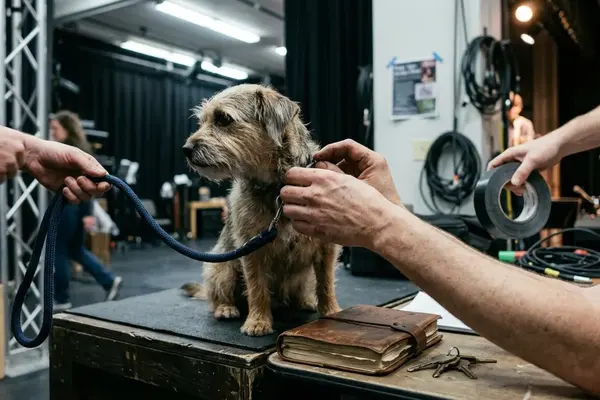
Early bonding tasks include calm harnessing before walks and wiping paws after outdoor trips. Adopters should check the remaining paw pads every evening for the first 2 to 4 weeks. A new adopter spends the first 7 to 14 days learning the dog's movement cues. They learn when a hop is normal. They notice when a turn is too tight. They recognize when excitement pushes the dog beyond comfort.
Supportive handling focuses on ramps, traction, and pacing. Over-lifting interrupts confidence-building. The emotional shift happens during ordinary care moments. You adjust a rug, slow a walk at a curb, or realize the dog is asking for play rather than help.
3. The Theatrical 'Underdog' Narrative
A tri-pawed Pit Bull at an adoption table naturally invites questions. People ask what happened or if the missing limb slows them down. This creates a humane opening to discuss injury, recovery, and breed bias.
The narrative mirrors a classic theatrical comeback structure. We see the obstacle, the adaptation, the ensemble support, and a new role in the household. Just as a swing in the Book of Mormon steps into a demanding role with unexpected grace, these dogs adapt to their new environment. The adoptive family provides the staging and cues.
We pair this theatrical language with real care details. A harness, a rug by the door, and walks paced to the dog rather than the owner's schedule ground the story in reality.
4. Surprisingly Manageable Daily Care
Scope and Limitations: The Reality of Amputee Care

Daily care mirrors a four-legged dog's schedule. You manage measured meals, bathroom breaks, enrichment, and training. Walks are adjusted for heat, surface grip, and fatigue. Common home changes include washable runners on slick floors and a stable raised feeding station. A harness with a rear or front assist handle and a ramp for repeated car entry provide solid support.
Field Note: Nail care matters more than many adopters expect. Overgrown nails reduce traction and make compensatory movement harder on tile, concrete, and sealed wood floors.
Weight checks are routine maintenance. Many adopters use monthly weigh-ins at a clinic scale because small gains noticeably change mobility.
5. Ambassadors for Breed Perception
From what we see at adoption events, a visible physical difference softens public perception. A calm tri-pawed dog lying on a mat draws visitors who might otherwise walk past a blocky-headed dog.
Public sympathy can create unsafe greetings if strangers rush the dog. Advocacy works best when the handler controls approach distance and ends interactions before fatigue builds. Useful public-handling practices include a well-fitted harness and a short leash in crowded lobby areas. Handlers need a cue for polite greetings and an exit plan.
Adopters can prepare a simple two-sentence answer for strangers. They explain the dog lost a limb, adapted well, and is judged by behavior rather than appearance. Breed-neutral advocacy emphasizes individual behavior assessment and responsible containment.
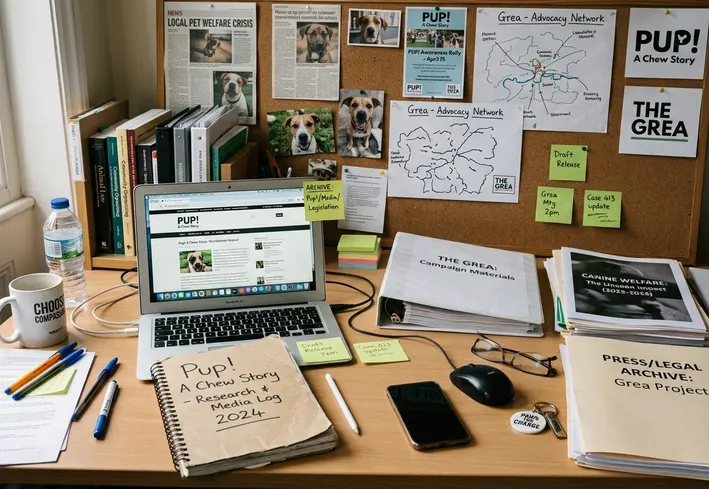
Remaining limbs and the spine deserve long-term monitoring. Watch for soreness, altered gait, paw-pad wear, and early signs of osteoarthritis. A realistic care rhythm includes annual veterinary exams at minimum. Schedule earlier visits for new limping and discuss joint-support plans when stiffness appears after rest.
Avoid repeated high-impact activities such as tight-turn agility, long downhill running, and extended fetch sessions with abrupt stops. Heat and hard surfaces matter immensely in urban routines. Midday pavement, stairs to apartment units, and polished indoor floors can be more limiting than the missing limb itself. Reviewing veterinary guidelines on canine amputation recovery provides a solid baseline for expectations.
Important: While these protocols help recovery, this guidance assumes the dog has been medically cleared after amputation—dogs with uncontrolled pain, active infection, or severe orthopedic disease require individualized veterinary plans before adoption messaging leans optimistic.
The Final Bow
Wholeness is not symmetry.
When you evaluate a dog, ask the shelter about gait notes, post-operative history, and flooring needs. Request their weight-management plan and preferred greeting style. Spend a full meet-and-greet observing recovery after excitement, not only the first energetic minute at the kennel door.
Bottom Line: The strongest closing image is the tri-pawed Pit Bull stepping from the wings into a home where the rug is already down, the leash is ready, and nobody is counting legs before counting personality.