The Overture of Barks and Broadway
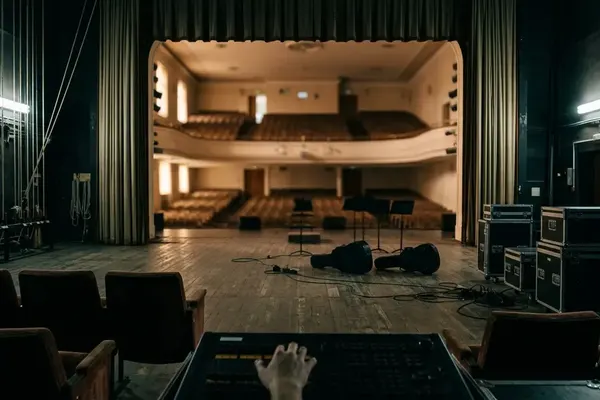
The sensory impact strikes immediately. An orchestra tuning its strings bleeds into the rhythmic panting and occasional vocalizations of rescue dogs. Pause at the lobby edge before approaching any animal. Spend the first two to five minutes observing the space. Locate the source of the orchestra sound, identify the adoption tables, spot the water stations, and map out the low-traffic areas.
Treat the evening as two distinct experiences sharing a single footprint. The tuning orchestra and the gathering audience belong to the performance. The leashed dogs, handlers, information cards, and retreat areas belong to the adoption program. Attending requires a deliberate balance of theatrical appreciation and canine awareness.
Pre-Show Logistics and Transportation Planning
Planning backward from curtain time guarantees a smoother experience. For a 7:30 PM curtain, target a 6:30 to 6:45 PM arrival. Add a 20 to 35 minute transportation buffer beyond the normal map estimate to account for parking, rideshare unloading, or transit delays. Protect the final 15 minutes before the show for restroom use, ticket scanning, and finding your seat. Reserve the earlier lobby period exclusively for rescue conversations.
Application Folder Assembly
Bring a slim folder containing photo identification, landlord or building pet rules if relevant, current pets' veterinary contact information, household schedules, and a pen. Dedicate separate pockets for applications and rescue literature.
Same-night adoptions rarely happen due to standard vetting protocols. Preparing your vehicle for a future transport remains a proactive step. For a later pickup, plan for a secured crate or crash-tested canine restraint, an absorbent towel, water, and a direct trip home rather than placing an unfamiliar dog loose in the front seat.
Engaging with Rescue Partners and Volunteers
Start inquiries with the dog's individual record. Dedicate 7 to 12 minutes to move through four specific subjects in order. Ask about vaccination and medication records, spay or neuter status, mobility or dietary needs, and the house-training routine. Inquire about the time left alone, sleep location, handling tolerance, and observed responses to dogs, cats, children, visitors, and street noise.
Ask what happens during the first 7 to 14 days after placement. Determine whom to contact, whether behavioral consultations are available, how medical questions are routed, and what the return or placement-review procedure requires. While evaluating these behavioral markers provides a solid baseline, lobby assessments carry inherent environmental constraints.
Decompression Context Limits
A dog that appears withdrawn, restless, or unusually animated in a crowded theatre lobby may behave differently after decompression in a home. Event behavior should be considered alongside foster observations rather than treated as a complete temperament test.
Navigating the Intersection of Theatre and Canine Etiquette
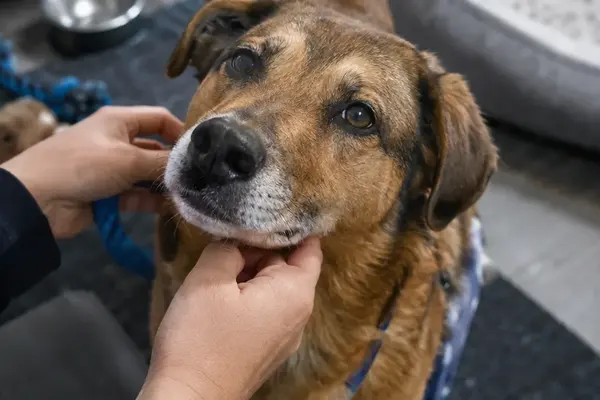
A patron who spends the entire lobby period photographing dogs may leave without the foster-based details, correct application link, or coordinator contact needed for a serious inquiry. Before photographing or greeting a dog, ask the handler and wait for a clear invitation. Disable flash, focus-assist lamps, shutter sounds, and bright video lights before raising the phone. Ask separately before posting an image that includes a volunteer or another patron. Approach from an angle, keep hands low, and allow the handler to end the interaction.
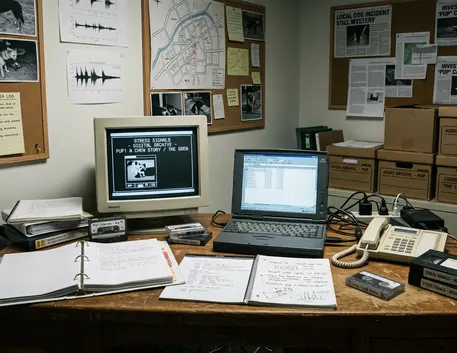
Recognizing canine stress signals helps patrons respect the boundaries of dogs in a crowded space. Watch for repeated lip licking when no food is present, yawning outside a resting context, head turns, a lowered body, pinned ears, a tucked tail, sudden scratching, panting in a cool room, or attempts to move behind the handler.
Maintain roughly one leash length of open space around a dog during crowd surges. Keep greetings to one to three minutes when other patrons are waiting or the handler is monitoring signs of fatigue. At intermission, move away from the designated quiet zones to ensure the animals have adequate space.
Meaningful Contributions Beyond Immediate Adoption
Base your support on the rescue's immediate operational needs. Ask whether the current priority is unrestricted funding, a named medical case, food, transport, or foster coverage. The energy in the lobby often rivals the intermission rush at the Book of Mormon, making clear communication with rescue staff essential.
A targeted donation should identify its purpose in the payment memo or online designation, such as veterinary care, foster supplies, transport, or general operations. Request a receipt through the rescue's official channel. Set aside 10 to 15 minutes after the event to complete a foster or volunteer interest form while details are fresh. Include your availability, transportation access, dog-handling experience, household pets, and any size or medical-care limits.
A useful social post includes the dog's listed name or identification code, the responsible rescue, the official application link, and the date the availability information was obtained. Confirm the dog's status before reposting later.
The Complete Evening Blueprint
Lobby layouts, photography rules, quiet-zone locations, application methods, and post-show access vary by theatre and participating rescue. Posted venue instructions and handler directions supersede any preplanned schedule. Executing an optimal evening requires a precise sequence of actions.
Here is the exact timeline to follow for a 7:30 PM curtain. Arrive at the venue at 6:30 PM. Check in, silence your phone, and identify the rescue tables without approaching every dog. From 6:30 to 6:40 PM, orient yourself to the space and locate the quiet zones. At 6:40 PM, read the profile card for one specific dog and ask the handler for an introduction. Spend the window between 6:40 and 6:55 PM asking your prepared questions about medical history and foster behavior. From 6:55 to 7:10 PM, collect the correct application forms and coordinator contact details. Use the final 20 minutes from 7:10 to 7:30 PM for seating and curtain preparation.
Post-Show Application Verification
After the performance, allow 20 to 35 minutes at home to compare notes with household members, verify landlord or building rules, check schedules, and assemble veterinary and personal references.
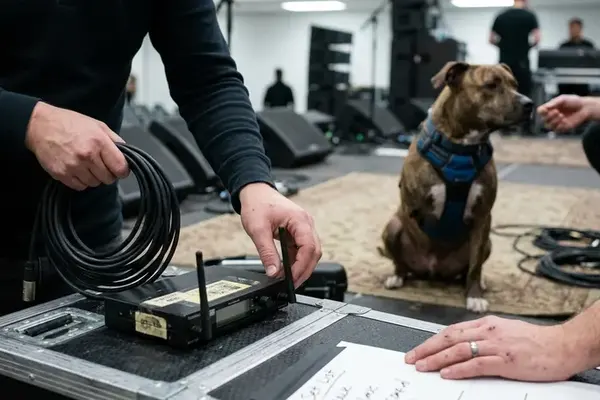
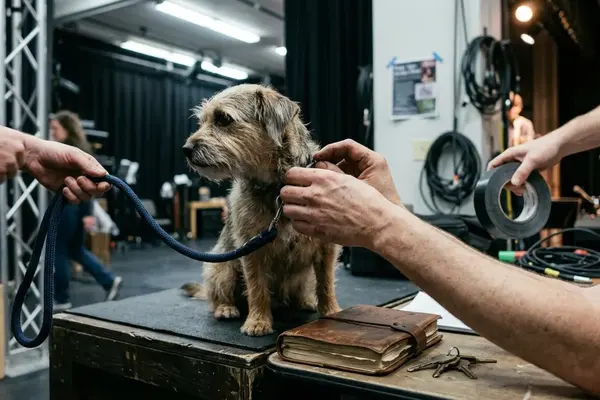
Picture the morning after: you sit at the kitchen table with the folder open, a coffee cooling beside it. The application names the brindle terrier mix you met at 6:40 PM, lists both your roommate and the resident tabby, and sketches a Tuesday routine of a 7 AM walk, a lunchtime dog-walker visit, and an evening park loop. You double-check that the phone number ends in the line you actually answer and that the email is the one you read daily, then hit submit. That single, accurate application does more for the terrier than a hundred lobby photos ever could.