The Dual Complexity of Stage and Shelter
Integrating live theatre with animal rescue requires eight distinct operational roles to function safely and effectively. The production plan begins by assigning stage management, animal handling, volunteer coordination, rescue liaison work, live music, sensory-conscious design, front of house, and digital outreach. These eight functions are roles, and staffing assignments are documented alongside the cue sheet and animal-care plan. The goal is to find forever homes for vulnerable animals, which adds a layer of profound responsibility to the standard theatrical run.
How can unpredictable rescue dogs be seamlessly integrated into rigid musical cues and blocking?
The tension between maintaining theatrical precision and prioritizing strict animal welfare protocols defines the entire rehearsal process. A stage production demands consistency, while a shelter dog requires patience and flexibility. Animal entrances are reviewed in a dedicated safety session scheduled 7 to 14 days before the performance. The final go, hold, and exit signals are confirmed during the last 30 to 45 minutes of the technical rehearsal. This timeline ensures the environment is proven safe before an audience ever arrives.
Stage Management and Animal Handling Logistics
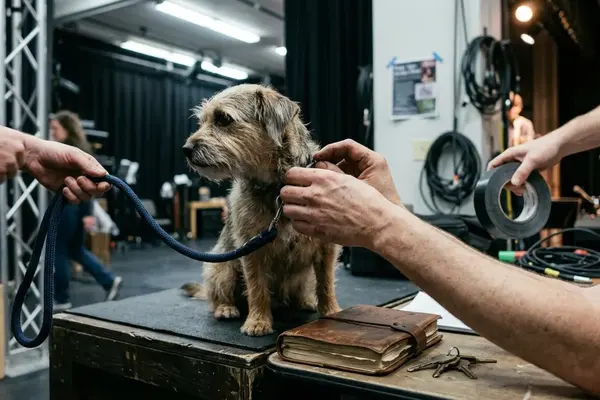
The stage manager calls lighting, sound, and performer entrances from the prompt book. Canine movement is called indirectly. The handler receives a standby, checks the dog's posture, and evaluates their willingness to proceed. A practical cue sequence allows 20 to 40 seconds between the handler's standby and the intended entrance. The handler serves as the dog's anchor in a sea of sensory input, providing positive reinforcement and a sense of security.
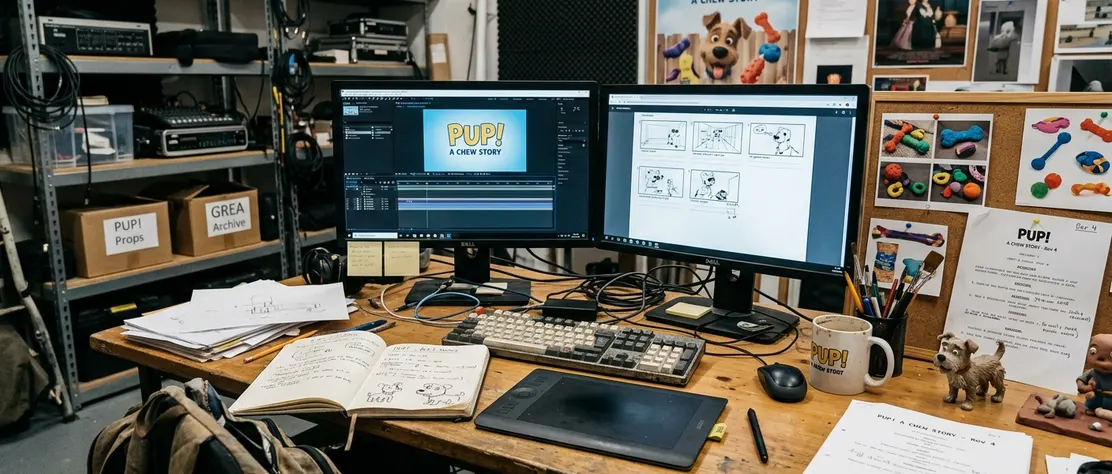
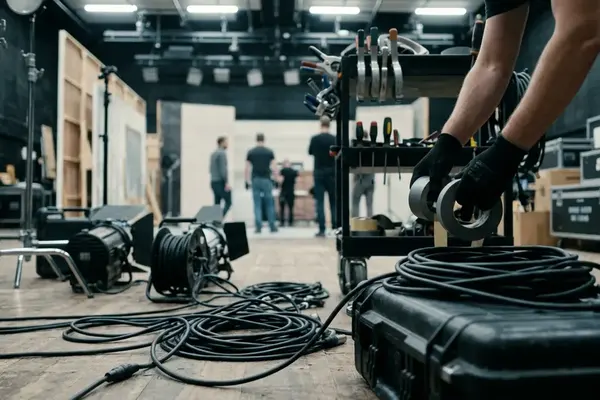
Backstage plans include a quiet holding area separated from audience traffic by two controlled boundaries. Handlers provide water access, nonslip flooring, and short 3- to 8-minute familiarization passes before house opening. Operational needs vary by venue. An intimate space may require tighter audience-contact control. A larger theatre may create longer backstage travel, louder foldback sound, and greater separation between the stage manager and animal holding area.
Backstage Safety Protocol: A common failure occurs when applause or a scene change startles a dog near the wing and the planned exit is blocked by scenery. The response must be an immediate cue hold and use of the pre-cleared alternate route. Attempting to finish the blocking in that scenario compromises safety.
Drawing on a review of recent production cue sheets, the logistical framework required to synchronize human performers with canine participants relies heavily on these built-in delays. The production must breathe with the animal.
Coordinating Volunteers and Rescue Liaisons
Volunteer coordinators build assignments from the rescue liaison's dog roster. Each dog record is matched to a transport contact, a certified handler, and relief coverage. The human infrastructure supporting these events is just as complex as the theatrical rigging overhead.
Volunteer call time is set 75 to 120 minutes before the audience enters so teams can check gates, walking routes, water stations, cleanup supplies, and handler relief coverage. Rescue liaisons ensure that all adoption protocols meet strict welfare standards before, during, and after the show. Interested patrons receive the rescue's normal application and screening process. Contact details and the dog's shelter identifier are reconciled within one business day after the performance.
Theatrical events significantly boost visibility, but their success is strictly limited by the capacity and training of the available volunteer network. If relief handlers, transport coverage, or application follow-up cannot be staffed, the number of participating dogs must be reduced before promotional reach is expanded. The welfare of the animals dictates the scale of the production.
The Atmospheric Architects: Musicians and Designers
Live musicians must adapt tempos and volume dynamically to accommodate unexpected animal behavior on stage. The sudden burst of a spotlight or a cymbal crash can be terrifying to a shelter dog. The music director marks places where the score can absorb delay without confusing actors. An introduction can repeat, a vamp can extend, or accompaniment can thin to a single instrument while a handler settles a dog.
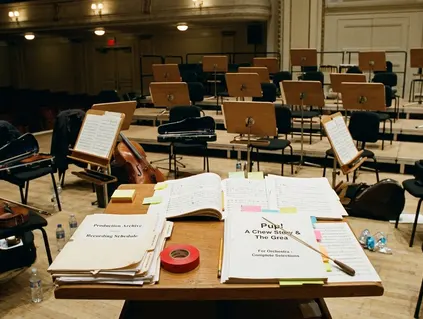
Flexible musical passages are prepared in 4- to 8-bar units, with a visible cutoff from the conductor so an animal exit does not leave singers guessing where to resume. A conductor leading a rigid, high-energy score like the Book of Mormon relies on strict tempos, whereas an adoption event demands structural elasticity.
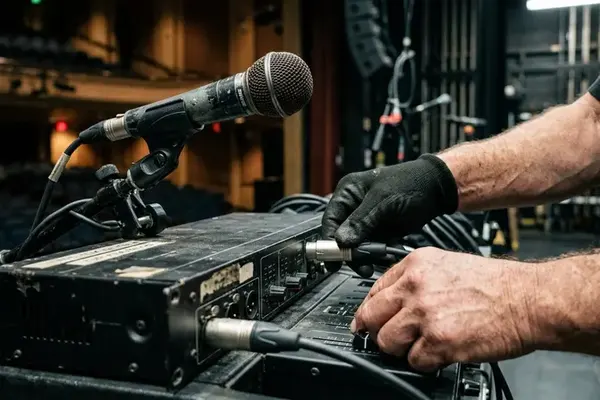
Theatrical designers create sensory-friendly environments by adjusting lighting and sound to prevent overstimulation. Animal-path lighting is brought up through 3- to 5-second fades during rehearsal. Sound checks compare the holding area, crossover, and stage entrance. This meeting point of environmental design and animal psychology guarantees a supportive atmosphere for the animals.
Front of House and Digital Outreach
Front-of-house staff separate watching from meeting. Ushers keep aisles and exit lanes clear, direct questions to a well-placed adoption desk, and stop patrons from clustering around a dog returning backstage. Ushers receive a 15- to 25-minute animal-interaction briefing before doors open. This briefing covers the no-touch signal, the location of the quiet exit, and the staff member authorized to respond to a loose-dog incident.
The social media team translates live theatrical moments into actionable digital adoption campaigns. The audience falls in love with a dog on stage, and the digital team must capture that momentum instantly.
Digital Handoff Strategy: A digital handoff is prepared 30 to 60 minutes before curtain and checked again within 15 to 30 minutes after the dog's appearance. This ensures captions, links, and availability status match the rescue's current record.
These roles form the critical bridge between the internal production mechanics and the external community of potential adopters. The seamless transition from a theatrical moment to a concrete adoption inquiry relies entirely on this coordination.
Evaluating the Impact of Integrated Production
The interdependence of the eight behind-the-scenes roles creates a cohesive, safe, and entertaining adoption event. Evaluation is split into two ledgers. The production ledger records missed cues, crowd-control problems, noise or lighting triggers, and unplanned animal exits. The rescue ledger records qualified inquiries.
A 30- to 45-minute operational debrief is held after animal transport is complete, with urgent welfare or safety issues assigned before the team leaves the venue. Inquiry records are reconciled over the next 1 to 3 business days. Adoption outcomes remain attributed to the rescue's full screening process.
Does the immense logistical burden of theatrical adoption events outweigh the benefit of increased visibility, or is this multidisciplinary approach the necessary future of animal rescue?