Orchestrating the Journalist’s Journey from Stalls to Lobby
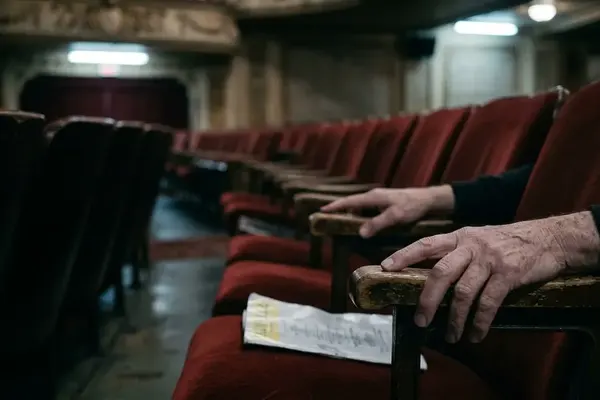
The house lights dim, and from the back row, the arts journalist begins recording conventional review details. They note whether the ensemble stays together during complex numbers, where dialogue loses clarity, and how the rescue dogs respond to sudden applause and stage movement. The performance on stage commands immediate attention. Yet the true narrative arc of the evening often reveals itself outside the auditorium. A single piece of thoughtful local journalism can ignite a sustained community response when the writer experiences the full event ecosystem.
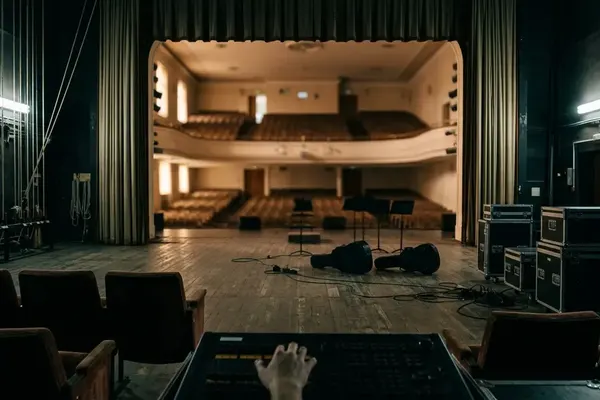
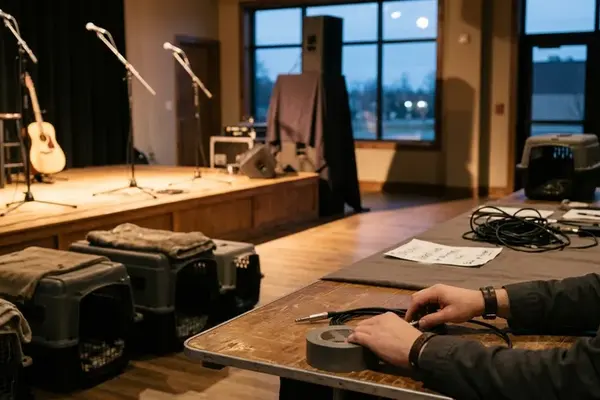
Arrange one pre-show arrival window 30 to 45 minutes before curtain. This allows the reporter time to see how the adoption table, signage, and volunteer positions relate to the audience route. The physical layout of the venue dictates the flow of human traffic, and journalists need to observe this choreography firsthand. Front-of-house operations play a critical role in shaping the media's perception of the event's organization and impact.

Reserve a 15- to 20-minute post-curtain observation window so the reporter can witness lobby interactions rather than rely solely on interviews. Seeing a family connect with a rescue dog immediately after experiencing a heartwarming musical comedy provides a tangible anchor for their story. The magic of a production relies on this pairing of stagecraft and community action. When a reviewer watches the audience transition from passive spectators to active participants in the lobby, the resulting article naturally shifts from a standard critique to a broader cultural commentary.
Tip: Structuring the Pre-Show Walkthrough
Guide the journalist through the exact path a ticket holder takes, pointing out sightlines to the adoption area and explaining how the lobby traffic is managed to keep both the animals and the patrons comfortable.
Balancing Production Critique with Animal Welfare Advocacy
Traditional theatre reviews typically prioritize production value, pacing, and directorial choices. Pitching a hybrid event introduces a specific tension. The communications team must convince arts editors that a pet adoption initiative is a compelling component of the cultural beat without compromising the publication's critical independence. Navigating this divide requires a precise understanding of editorial boundaries.
Send the editorial pitch 10 to 14 calendar days before the performance. Place review credentials and adoption-drive information under separate headings to respect the divide between artistic critique and community advocacy. Keep the factual briefing to one page. Identify clearly which statements come from the theatre, which come from the shelter, and which require the journalist's direct observation. This structured approach respects the reporter's time and clarifies the dual nature of the invitation.
Relying on community impact reporting standards keeps the coverage objective. Editors tend to respond best to pitches that separate artistic merit from charitable appeals. A partnership sustained across multiple grant periods between a venue and a local shelter provides a strong foundation for these pitches, demonstrating a long-term commitment rather than a fleeting promotional tactic.
The catch: an adoption component does not make a production review-worthy by itself. The event still needs a legitimate artistic premise and enough access for independent criticism. The production must stand on its own theatrical merits, with the adoption drive serving as a meaningful extension of the show's themes rather than a shield against critical analysis.
Curating Canine Narratives for Lifestyle Correspondents
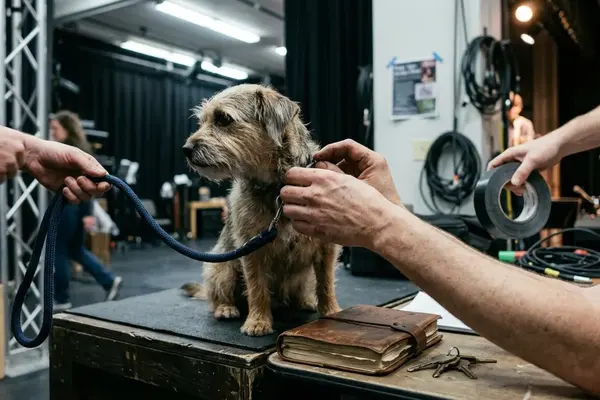
The communications lead builds the pitch around one or two dogs whose histories can be documented without guessing about temperament or past treatment. Each profile is checked by the shelter contact. Accuracy supersedes emotional embellishment. Reporters need verifiable facts to build compelling human-interest features, and providing clean, vetted information establishes the production team as a reliable source.
Limit each dog background sheet to 150 to 250 words. Include the intake date, current placement status, handling guidance, and the name or role of the person who verified the information. Well-documented, qualitative background material helps journalists craft a richer feature article. When a lifestyle blogger receives a concise, factual profile, they can focus their writing on the emotional resonance of the event rather than chasing down basic logistical details.
Offer interview windows of 20 to 30 minutes during the four business days before the event. Maintain separate contacts for artistic questions and adoption questions. The logistical precision required here mirrors the backstage coordination of a major touring production like Book of Mormon, where every cue and prop handoff is meticulously tracked. A clear communication plan ensures reporters get exactly what they need without overwhelming the production staff or the shelter volunteers.
Warning: Avoiding Speculative Canine Histories
Never invent or exaggerate a rescue dog's background to make a pitch more appealing. Stick strictly to the documented intake records and behavioral assessments provided by the shelter professionals.
Engineering Frictionless Application Routes in Press Features
A feature can generate warm comments yet no usable inquiries when the article names the shelter but omits the application route, event time, or current status of the featured dog. Before pitching, the theatre and shelter agree on a single public destination for readers. The shelter verifies the dog listings, application route, service area, and contact inbox. This unified digital front prevents interested readers from getting lost in a maze of outdated links or generic homepages.
Test the public adoption path on both a phone and a desktop no more than 24 hours before sending it to a journalist. Confirm that it reaches an active application or inquiry form in three taps or fewer. The user experience of the digital adoption trail must be as smooth as the audience's experience navigating the physical theatre lobby.
Address editorial limitations directly. While some publications restrict direct promotional links, directing readers to the production's official landing page can bridge the gap. Provide the exact event date, lobby opening time, venue neighborhood, accessibility contact, shelter email, and the timestamp of the latest availability check. Recheck featured dogs on publication morning because adoption, foster placement, medical holds, or meet-and-greet scheduling can change after an interview. This verification work is what turns press momentum into actual adoption applications.
Takeaway: Verifying the Digital Adoption Trail
Treat the digital application route with the same level of scrutiny as a technical rehearsal. A broken link on publication day completely neutralizes the impact of a glowing feature article.
Assembling the Post-Curtain Digital Media Package
Coverage timing varies by outlet. An arts desk may need advance access for a review, while a community blog may be more responsive to verified photographs and adoption updates delivered the morning after the performance. Anticipating these different editorial rhythms allows the communications team to sustain the narrative long after the final curtain call.

A designated press-kit editor collects photographer selects, verifies captions with the shelter, reconciles turnout language against the available door or check-in record, and removes any image lacking proper clearance. Create the first press-kit folder within 2 to 6 hours after the performance. Send the verified version by noon on the next business day. Speed and accuracy matter equally during this post-show window.
Include 8 to 12 publication-ready photographs in JPEG format. Retain original resolution and supply a caption, dog identification, visible-person identification, photographer credit, and usage terms for every image. Report turnout as a sourced door count, ticket scan total, or shelter check-in tally. If those records cannot be reconciled, describe the lobby activity without publishing an estimated attendance figure. Transparency regarding community turnout builds trust with local news desks.
Check every dog status and contact link again 48 to 72 hours after distribution. Replace outdated profile cards rather than leaving conflicting versions in the folder. Verified adoption updates keep the narrative alive and accurate, giving journalists the follow-up details they need for a wrap-up piece.
Open your venue's ticketing platform right now and export the final scan counts from last night's performance to begin reconciling your community turnout report.