The High Cost of the Lone Savior Narrative
The cultural fixation on the 'solo hero' rescuer creates an unsustainable bottleneck in advocacy. It places impossible emotional and logistical burdens on individuals. Failing to recognize animal rescue as a collective effort guarantees systemic burnout and jeopardizes the very lives depending on these networks. Shifting our operational framework to an ensemble model is a critical survival strategy for long-term animal welfare.
Map each animal's path from intake through adoption. Mark every task assigned to one person with no named backup. Decisions about volunteer recruitment and spending should begin with those uncovered gaps. A practical dependency review makes the path clear. The review covers the next two weeks of veterinary appointments, medication pickups, foster handoffs, application calls, and transport legs. For every time-sensitive task, record a primary owner, a backup, the handoff deadline, and the location of current medical and behavior notes.
Deconstructing the Rescue Narrative
In traditional storytelling, a single protagonist drives the action. This structure fails when applied to the complex, layered reality of animal rehabilitation. Much like the intricate, overlapping vocal arrangements in the Book of Mormon, ensemble-driven theatre thrives on interconnected roles where no single actor carries the entire production. This mirrors the exact dynamic required for successful pet adoptions.
Construct the public story directly from the care record. Intake observations establish the opening conditions. Veterinary decisions, foster notes, transport updates, and adopter preferences shape the rising action. By looking at rescue through the lens of ensemble narrative theory, organizations can better distribute responsibility and celebrate incremental victories.
A usable case chronology contains six checkpoints: intake, initial examination, foster placement, behavior update, adopter matching, and post-adoption follow-up. Keep observations dated and attributed. A comment such as 'settled beside the foster after the evening walk on day four' is more useful than describing a dog as instantly transformed.
Casting the Network: Fosters, Transporters, and Crew
Fosters act as the supporting leads—providing the essential environment where an animal's true personality can safely develop. Transporters and shelter staff function as the vital technical crew and stagehands, moving the subject seamlessly from one critical scene to the next. Every role requires specific expertise and emotional intelligence. A successful 'homecoming' relies entirely on the strength of the supporting cast.
Book Of Mormon Ensemble Dynamics
Assign roles by the decisions each participant is equipped to make. Foster caregivers document home behavior, veterinary personnel direct medical care, coordinators authorize placement changes, and transporters manage physical safety during transit.
A foster handoff packet should include feeding quantity and schedule, medication instructions, handling sensitivities, elimination patterns, emergency contacts, and the next confirmed appointment. Transport plans should specify pickup and arrival windows, restraint equipment, climate-control needs, destination contact, and a fallback contact if the receiving person cannot be reached.
Stage Management and the Logistics of Care
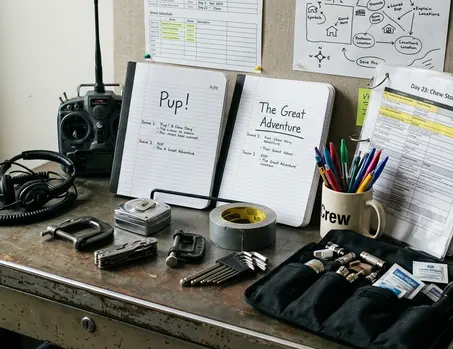
Coordinating veterinary care, behavioral assessments, and adoption events requires the precise logistical oversight of a theatrical stage manager. The coordinator works backward from the adoption event or placement date. They confirm medical and behavioral gates and release each animal for public presentation only after the responsible care leads sign off.
Use a run-of-show with quarter-hour arrival windows for animals, separate quiet holding areas, assigned water and relief checks, and one person authorized to pause an introduction. Complete a final status check a day or two before an event. This covers medications, contagious-disease concerns, transport confirmation, handler assignment, and any new behavior observations.
Though theatrical frameworks have limits in biological contexts, implementing rigorous editorial and operational standards ensures that the narrative remains focused on the animal's welfare rather than human ego. The stage-management analogy ends where animal welfare requires deviation. Illness, shutdown behavior, heat, conflict, or handler concern can justify changing the sequence or withdrawing an animal without treating the disruption as a failed performance. A visually successful adoption event can still fail operationally when promotional volunteers outnumber trained handlers, medical updates remain in private messages, or no one owns post-adoption calls.
The Final Act: When the Audience Becomes the Adopter
In interactive and ensemble theatre, the barrier between the stage and the audience dissolves. An adopter steps into the rescue narrative in much the same way. Adopters are not passive spectators. They are the final cast members required to bring the story to its intended resolution. Educating the public on their active role in this ensemble encourages a more compassionate, patient approach to integrating a new pet into their home.
Treat the adoption conversation as a transfer of responsibility. The counselor reviews the animal's observed routines, asks how those routines fit the household, and identifies necessary adjustments. A transition plan can schedule contacts at two to three days, ten to fourteen days, and roughly a month out. Earlier escalation is planned for appetite loss, medication problems, escape risk, or escalating conflict.
The take-home packet should distinguish verified history from foster observations and unknowns. It then lists feeding instructions, current medications, microchip transfer steps, decompression guidance, and the return-contact pathway.
Directing the Future of Rescue
Embracing the ensemble model fundamentally changes how we fund, support, and participate in animal advocacy. The success of future adoption events relies on our willingness to step out of the spotlight and support the broader cast. Plan the next production cycle around care capacity before selecting promotional ambitions. Coordinators first count confirmed foster spaces, qualified handlers, transport coverage, and counseling slots.
Budget lines should separate direct animal care, transport, foster supplies, accessibility, venue operations, and post-adoption support rather than placing all non-performance costs under a single miscellaneous heading. A post-event review held within a few days can compare the planned and actual handoffs, record unresolved adopter questions, assign follow-up owners, and preserve corrections for the next run-of-show.
Role design changes with context. A municipal shelter may separate medical, behavior, and placement authority. A small foster network may combine those duties but still needs explicit decision boundaries and backup coverage.
Will you continue to wait for a lone hero to save the day, or will you step up to claim your role in the ensemble?